In London’s talent market, the office isn’t competing with other offices anymore, it’s competing with people’s homes.
And let’s be honest, most homes have better coffee, comfier seating, and absolutely no Central Line at 8:30am. So, if people are coming in, it’s not for the desk. It’s for the moments they feel like a team player around real humans.
The real differentiator now? Social Ergonomics.
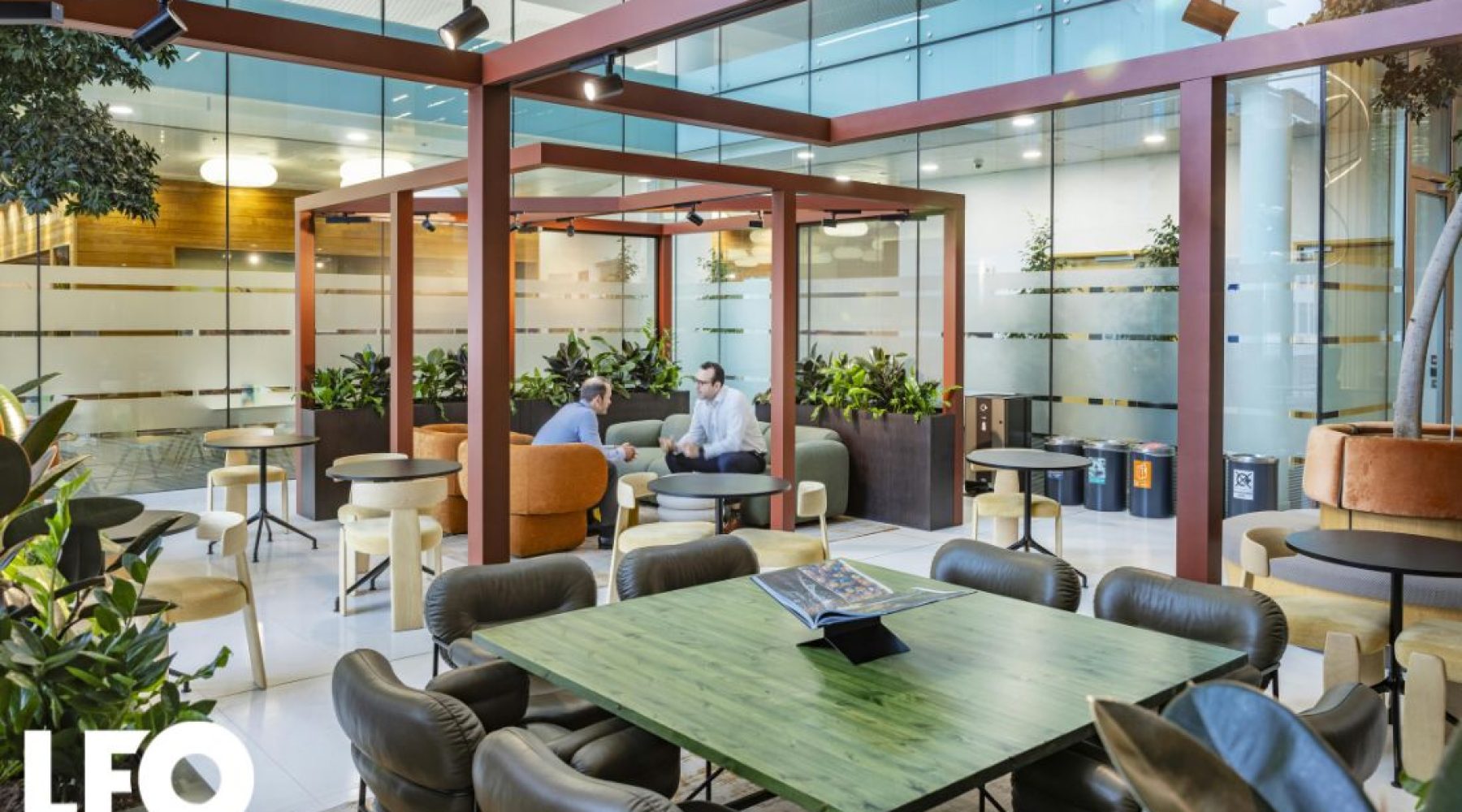
We’ve all hit the “Zoom Wall”, that invisible barrier where ideas flatten, energy drops, and a “quick chat” becomes a 30 minute scheduled call. Innovation doesn’t spark in isolation. It sparks at the tea point or the breakout space. In the places designed for unplanned conversations.
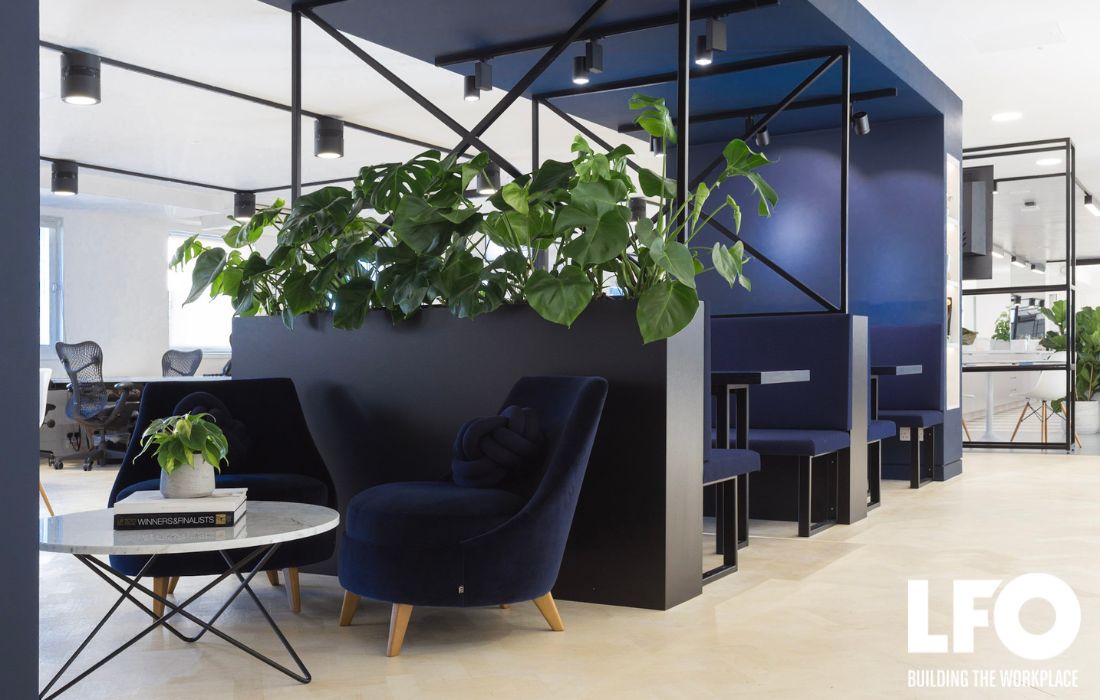
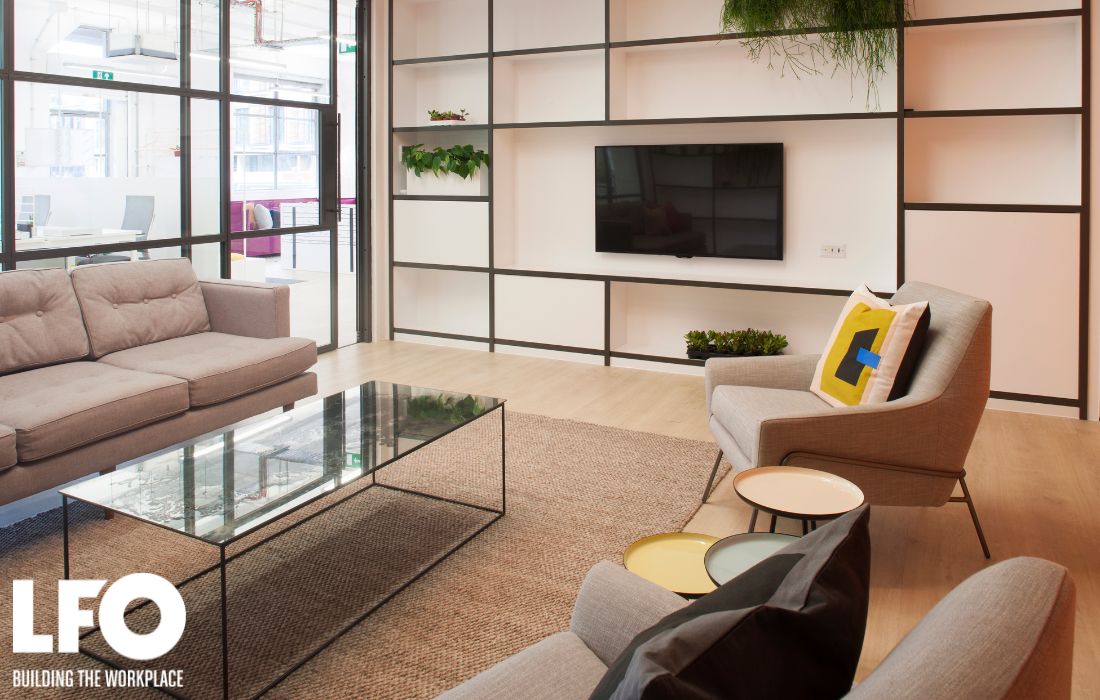
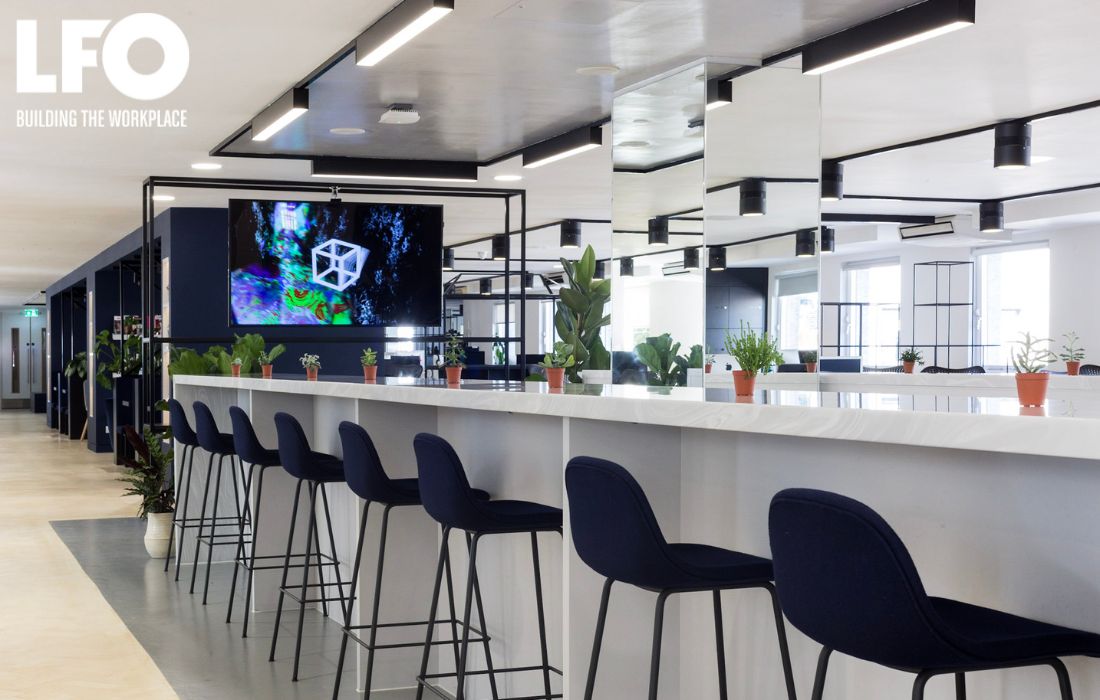
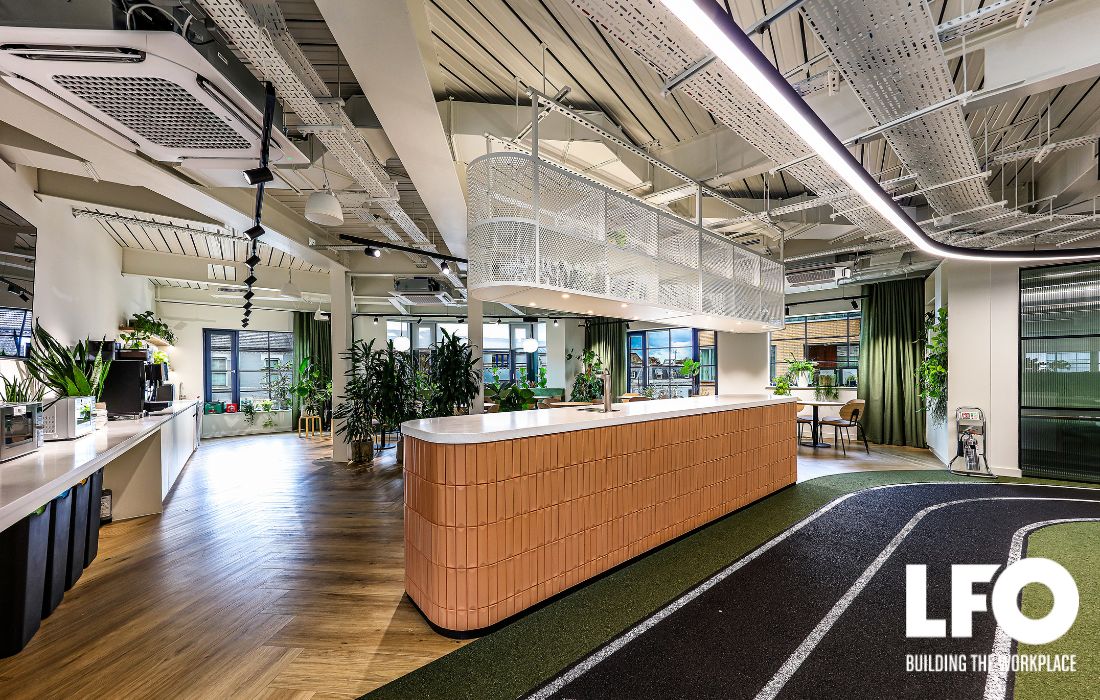
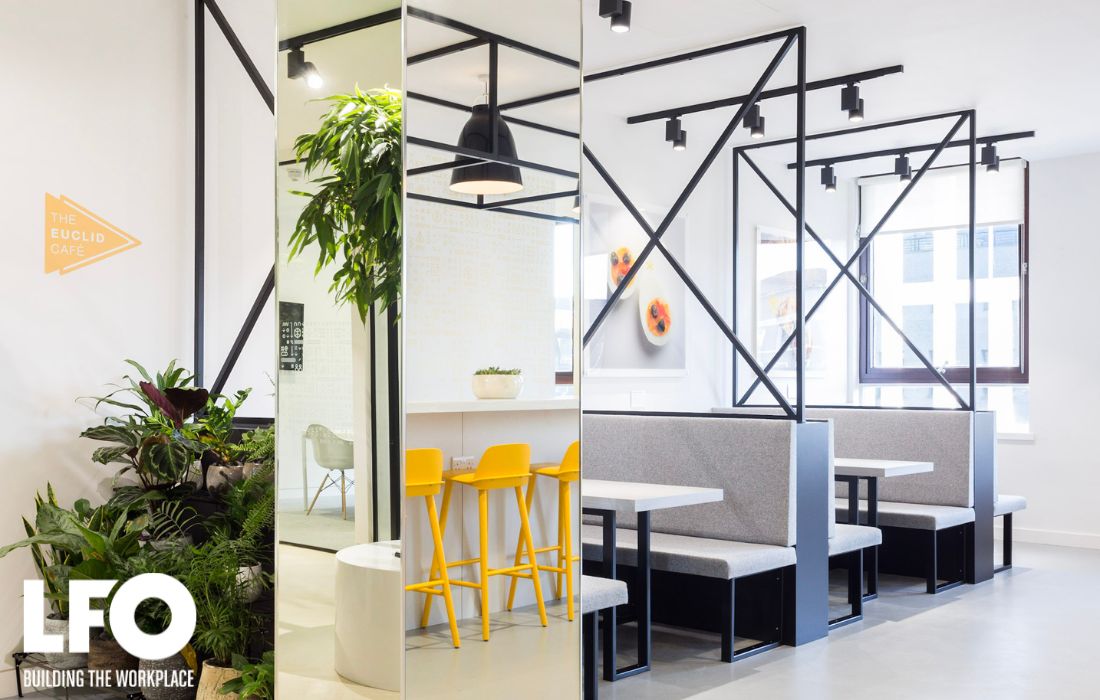
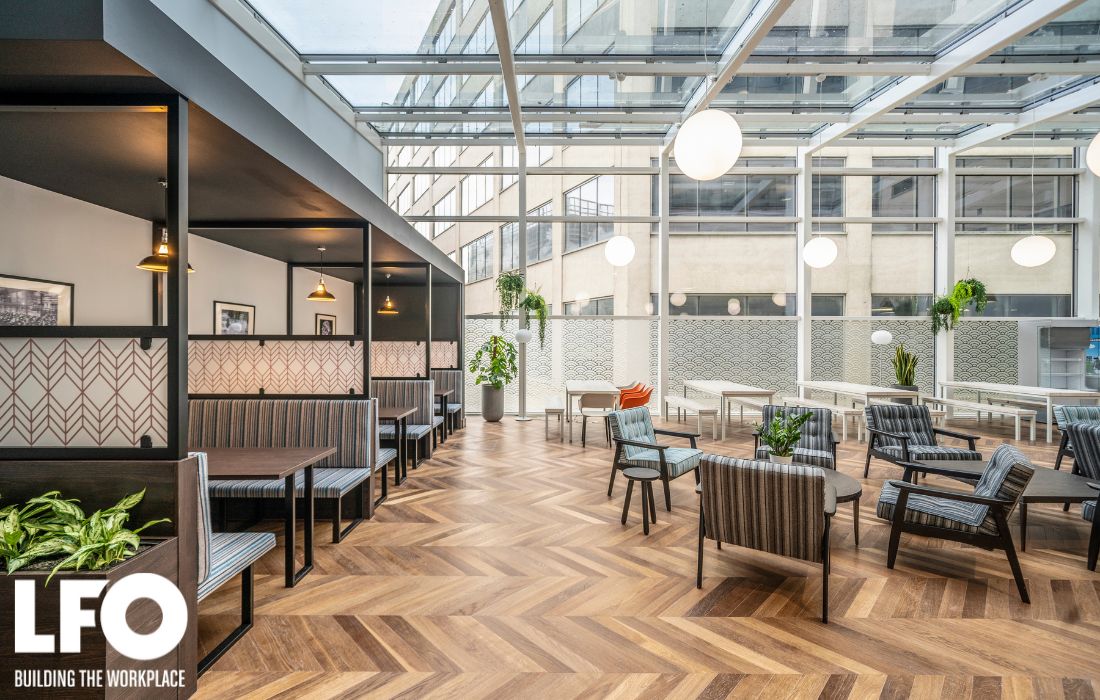
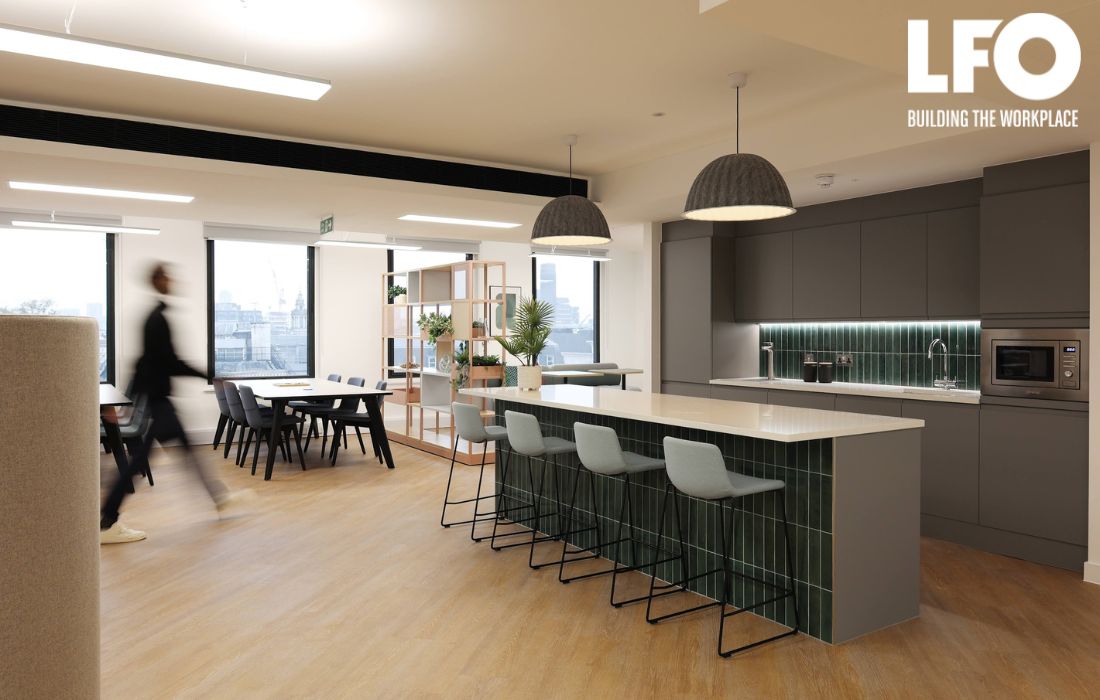
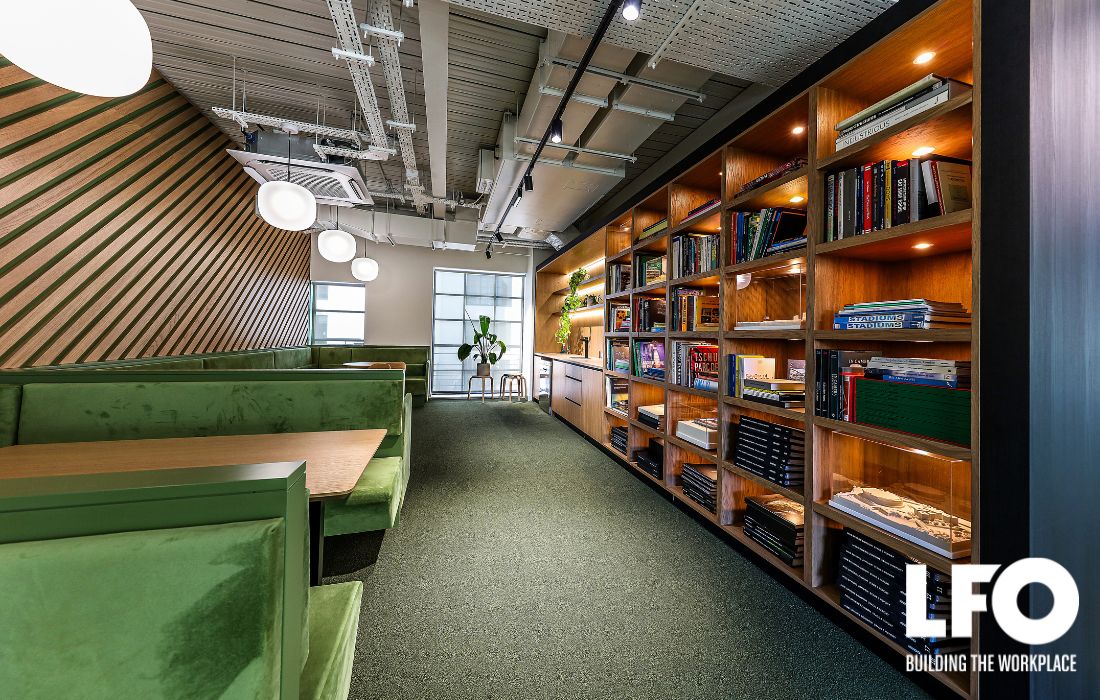
When LFO design tea points and breakout hubs for our London clients, we’re not just choosing kitchen cabinets and installing zip taps, we’re creating Collision Zones, the spaces where:
● A junior bumps into the CEO.
● A cross department problem gets solved over a flat white.
● “Accidental innovation” happens, those lightbulb moments that never surface on a screen at home.
These moments don’t happen at home while alone behind the computer. What the data shows:
– Productivity: Employees in activity based workplaces are 16% more productive, which is the equivalent of gaining 6.4 extra hours of work per person, per week. (Flexioffices 2025/26)
– And in the UK, studies show improved wellbeing is valued at £4,000–£12,000 per employee annually. (Denton/CIPD)
– Connection: With 47% of under 35s reporting feelings of isolation while working remotely, the office has become the primary hub for mentorship, belonging, and human connection.
The bottom line: If your office feels like a sea of empty desks, it’s because it’s competing with the comfort of home. To win, it needs to offer the one thing home can’t: the energy of the collective.
London leaders: Is your breakout space just a passthrough area, or is it a genuine hub for your culture? Let’s make the office worth the commute.